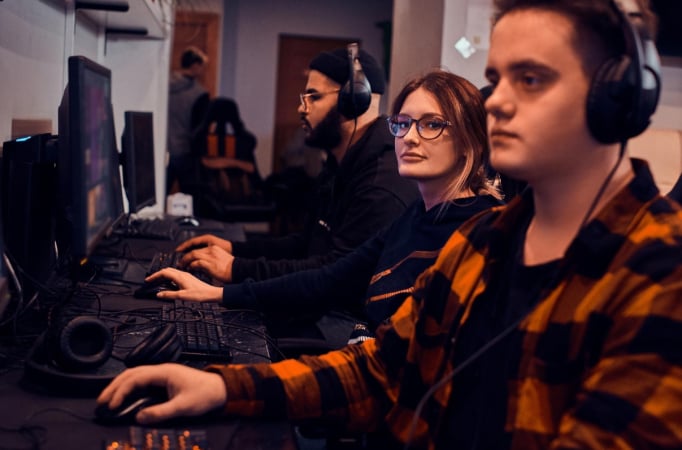
Beyond the Scoreboard: How Cooperative Games Forge Stronger Teams
We often think of gaming as a competitive arena, a digital space where one person or team emerges victorious over another. However, a significant and growing segment of online experiences flips this script entirely. These are the worlds built not on rivalry, but on mutual dependence and shared purpose. In these environments, the primary challenge is not another player, but the puzzle, environment, or story that the group faces together. This fundamental shift from "playing against" to "playing with" lays the groundwork for a unique form of social bonding.
The magic of a truly cooperative game lies in its requirement for constant online interaction. Success is impossible without verbal coordination, resource sharing, and strategic planning in real-time. Each member often possesses a specific role or skill set vital to the group's progress, making every participant feel integral. This dynamic naturally fosters trust, as you learn to rely on your teammates' abilities and follow through on your own responsibilities. The shared triumph over an obstacle becomes a collective memory, far more impactful than a line on a scoreboard.
Integrating these principles into regular team games or project sessions can yield noticeable benefits. The skills practiced in these digital sandboxes—clear communication, adaptive problem-solving, and role flexibility—translate directly to any collaborative effort. Groups that engage in these activities often develop a shorthand for communication and a deeper understanding of each other's strengths. Ultimately, these games become more than entertainment; they transform into powerful, engaging workshops for teamwork, accessible to anyone with an internet connection.